- CryptoCube newsletter
- Posts
- I Got Hacked — How to Recover, Rebuild, and Never Let It Happen Again
I Got Hacked — How to Recover, Rebuild, and Never Let It Happen Again
Losing your crypto hurts — but it can also be the best lesson you’ll ever learn. Here’s how to protect yourself from every kind of hack out there

Crypto Cube
November 09, 2025
Losing your crypto hurts — but it can also be the best lesson you’ll ever learn. Here’s how to protect yourself from every kind of hack out there.
CryptoCube Weekly
Market Snapshot
Bitcoin (BTC): $101 894
Ethereum (ETH): $3 413
Solana (SOL): $159
Fear & Greed Index: 24 – Fear
Greetings CryptoCubers,
This week’s topic hits home for many in the crypto world — myself included.
“I got hacked.”
Three words that can drain your stomach faster than any market dip ever could.
It’s personal. It’s painful. And it’s something most people never talk about until it happens.
But here’s the truth — in crypto, security is your responsibility, and knowledge is your best defense.
So this week, we’re diving deep into every type of crypto hack, how they happen, and what you can do to protect yourself.
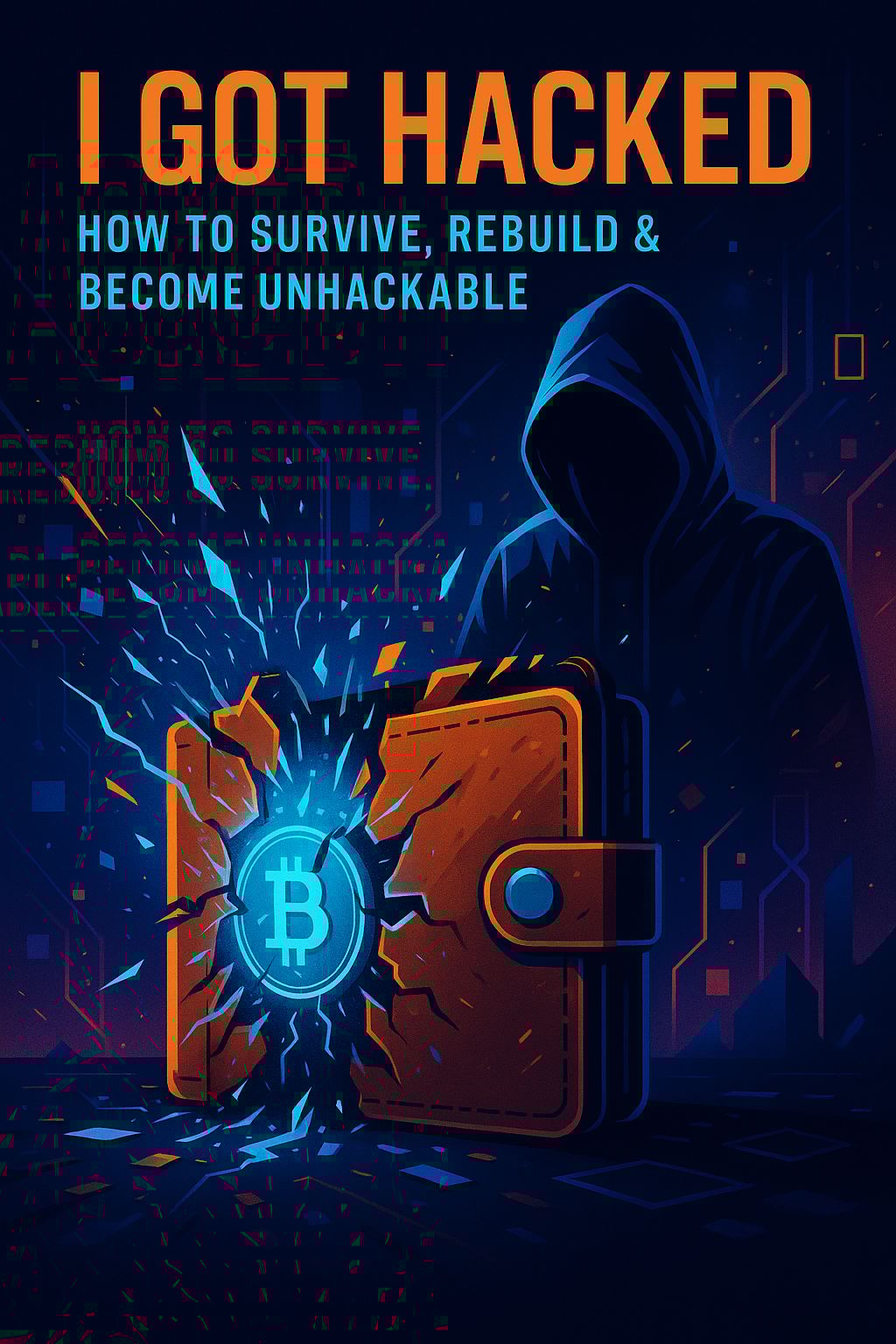
The Many Faces of a Crypto Hack
The word hack gets thrown around a lot — but not all hacks are the same. Some target your wallet, others your mind. Let’s break down the main types 👇
1. Phishing Scams
The most common type.
You get a link that looks legit — maybe an airdrop, wallet update, staking site, or fake support page. You click, connect, and boom… your wallet’s emptied.
How to avoid it:
Always double-check the URL.
Never connect your wallet to random links from DMs or tweets.
Bookmark official sites and only use those.
2. Fake Customer Support
You post about an issue online, and “support” DMs you offering help.
They ask for your seed phrase or remote access to “fix the issue.” You give it — they drain everything.
Avoid it by:
Remembering: No legit company will ever ask for your seed phrase.
Never sharing private info through Discord, Telegram, or Twitter DMs.
3. Malicious Smart Contracts
You click “Approve” on a shady site, giving it unlimited access to your tokens.
The next time you log in — everything’s gone.
Avoid it by:
Using a fresh wallet for new or unverified projects.
Regularly checking and revoking token approvals at revoke.cash.
4. Exchange or Platform Breaches
Centralized exchanges (CEXs) or NFT platforms can get hacked, taking user funds with them.
Avoid it by:
Not storing large funds on exchanges.
Keeping long-term crypto in cold wallets (Ledger, Trezor, Keystone, etc.)
5. SIM Swaps
Hackers convince your mobile carrier to port your number to their SIM.
Once they control your number, they reset passwords on your accounts.
Avoid it by:
Removing phone numbers from exchange logins.
Using app-based 2FA (Google Authenticator, Authy), not SMS.
6. Malware and Keyloggers
Downloading pirated software, fake wallets, or “profit bots” can infect your device and steal passwords or seed phrases.
Avoid it by:
Using a clean device for your crypto activity.
Never typing your seed phrase online or into any text file.
Installing trusted antivirus software.
7. Rug Pulls & Project Scams
You invest in a new coin or NFT project — looks great, big promises. Then one day… they vanish.
No liquidity. No team. Just silence.
Avoid it by:
Researching the team (real people or fake names?).
Checking contract audits and community transparency.
Remembering: if it sounds too good to be true — it is.
How to Protect Yourself — The Ultimate Checklist
✅ Use Hardware Wallets: Cold storage = no internet = no hack.
✅ Split Funds Across Wallets: Keep a “spending wallet” and a “vault.”
✅ Never Share Your Seed Phrase: Ever. Ever. Ever.
✅ Enable 2FA: Use authentication apps, not SMS.
✅ Use Revoke Tools: Regularly check token permissions.
✅ Stay Educated: The best security tool is awareness.
✅ Backup Securely: Write down your seed and keep it in a safe place, offline.
Mental Fortitude: What To Do If You Get Hacked
Let’s be real — getting hacked hurts.
You feel violated, angry, embarrassed, and helpless all at once. But here’s what’s crucial:
1. Don’t Panic
Move any remaining funds immediately.
Identify which wallet, site, or connection was compromised.
2. Learn and Document
Figure out how it happened.
Was it a phishing link? A fake site? Compromised wallet?
Write it down. Don’t repeat it.
3. Start Fresh
Create new wallets. Reset passwords. Update devices.
Don’t reuse old accounts that may be compromised.
4. Accept and Adapt
Crypto isn’t about never making mistakes — it’s about learning from them.
Every veteran has a scar. What matters is how you rebuild.
The CryptoCube Takeaway
Every hack — no matter how small — is a lesson disguised as pain.
But that pain is what turns beginners into pros.
Security isn’t about fear. It’s about empowerment.
Once you learn how the game works, you stop being the target… and start being the hunter.
So if you’ve been hacked — breathe.
You’re not finished. You’re forged.
Final Thoughts
Crypto gives you full control — but also full responsibility.
There’s no “forgot password” button. No hotline. No refunds.
But that’s also what makes it beautiful — you own your freedom.
So learn, secure, and keep pushing forward.
Every hack story has two endings:
One ends in fear.
The other ends in strength.
Let yours be the second. 💎
Stay alert. Stay wise.
And as always —
Don’t forget to check out our Website www.cryptocube.network for updates.
Blessings
The CryptoCube Team