- CryptoCube newsletter
- Posts
- The Scams Are Evolving — And This Time, It’s Not the Code That’s Failing
The Scams Are Evolving — And This Time, It’s Not the Code That’s Failing
From address poisoning to fake software downloads, crypto’s biggest threat is now human error.

Crypto Cube
December 21, 2025
Greetings CryptoCubers
Welcome back to your weekly CryptoCube update.
This week, we’re tackling a critical topic that affects everyone in crypto — beginners and veterans alike: As blockchain technology improves, scammers are evolving too. And today, the biggest weakness in crypto security isn’t code — it’s people.
Price Update
As always, here’s a quick look at the market:
Bitcoin (BTC): approximately US $88,086
Ethereum (ETH): approximately US $2,975
Solana (SOL): approximately US $125
Now let’s get into this week’s topic.
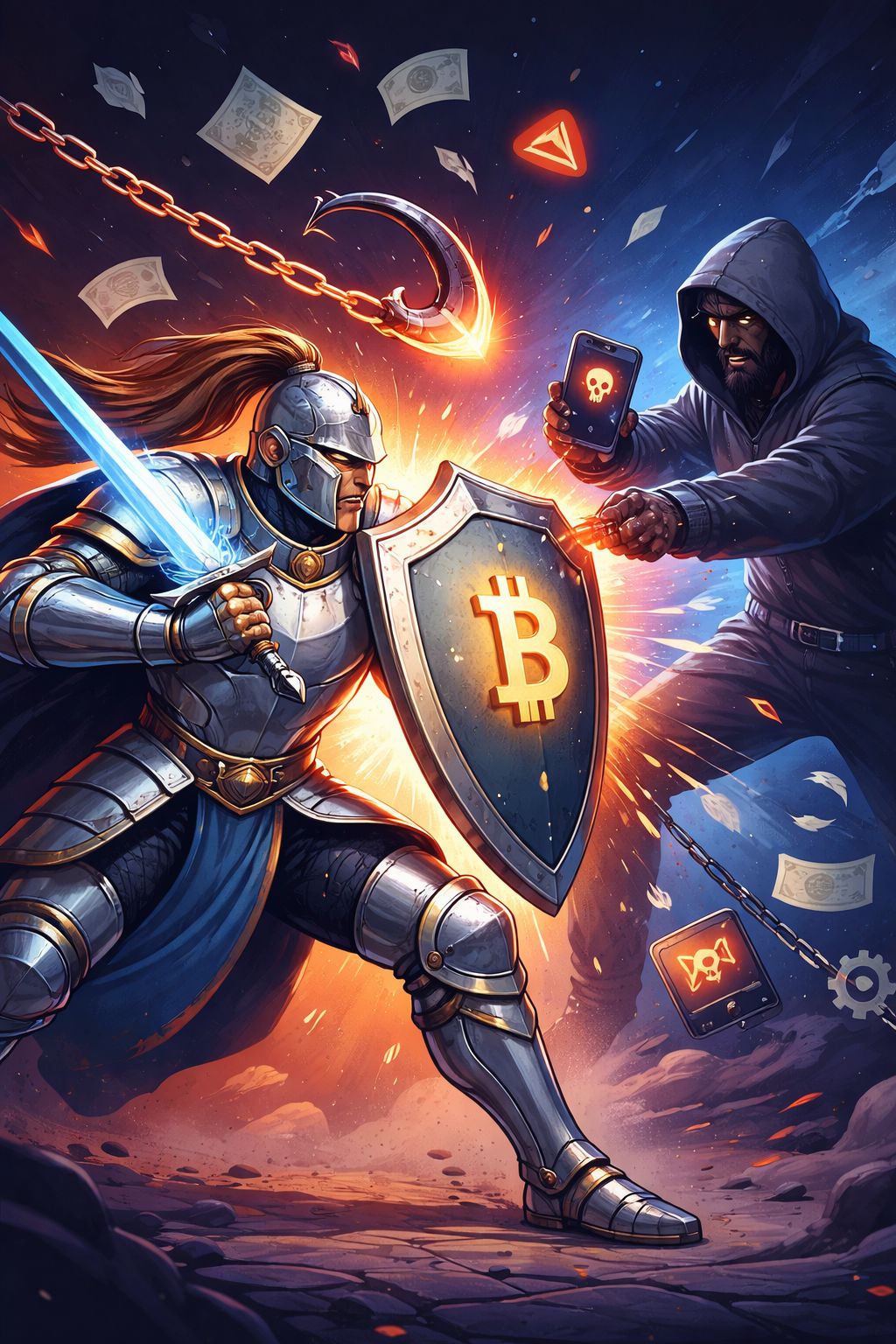
The Human Factor Is the New Attack Vector
In recent months, a clear pattern has emerged:
Most major crypto losses are not caused by broken smart contracts — they’re caused by human mistakes.
🔹 Real examples from this month alone:
A Singapore entrepreneur lost over $100,000 after downloading malware disguised as a game-testing program.
A multisignature wallet breach earlier this month led to $27.3 million stolen after private keys were compromised.
Roughly $12.6 million was laundered through Tornado Cash.
Security experts now warn that simply auditing code is no longer enough.
“Securing code isn’t enough if users and operators remain vulnerable.”
Many attacks happen after launch, during upgrades, integrations, or routine operations — areas traditional audits don’t fully protect.
What Is the ‘Human Attack Vector’? (Simple Explanation)
The human vector means scammers focus on tricking people, not breaking software.
Instead of hacking smart contracts, attackers now:
Use fake job offers
Disguise malware as tools, games, or test software
Send phishing messages that look legitimate
Exploit habits like copying wallet addresses from history
This shift is dangerous because people trust what looks familiar.
The $50 Million Address Poisoning Scam Explained
One of the most shocking cases this year involved a crypto user who lost nearly $50 million in USDT — without clicking a malicious link.
🔍 What happened?
The victim copied a wallet address from their transaction history
The attacker had sent a fake “look-alike” transaction beforehand
The fake address matched the first 3 and last 4 characters
The victim unknowingly sent 49,999,950 USDT to the attacker
The funds were:
Quickly converted to ETH
Split across multiple wallets
Partially laundered through Tornado Cash
The victim’s wallet had been active for 2 years and was mainly used for USDT transfers. The funds were withdrawn from Binance shortly before the poisoned transaction — showing how routine behavior can be exploited.
What Is Address Poisoning?
Address poisoning is a scam where attackers send small transactions to your wallet using fake addresses that closely resemble real ones.
When you later copy an address from your history, you might accidentally copy the scam address instead of the real one.
Key takeaway:
Never rely on partial address matching. Always double-check the full address.
Why This Is Happening More Often
According to industry experts:
99% of Web3 projects operate without basic firewalls
Fewer than 10% use modern AI-driven security tools
Most hacks in 2025 didn’t come from bad audits — but from operational blind spots
Scammers adapt fast. They follow human behavior, not just code weaknesses.
The Good News: Security Is Evolving Too
Despite the rising losses, there is reason for optimism.
Experts believe:
Smart contract security is improving rapidly
2026 could be the safest year yet for on-chain code
AI-driven monitoring, behavioral analysis, and wallet protections are improving
Education is becoming the strongest defense
This is an ongoing battle — scammers evolve, but so do defenses.
Final Thoughts
Crypto isn’t becoming less secure — it’s becoming more human-dependent.
The future of safety in crypto will depend on:
Better tools
Better education
Better habits
Stay skeptical. Slow down. Double-check everything.
Because in today’s crypto world, your awareness is your strongest firewall.
That’s it for this week’s CryptoCube edition.
check our website www.cryptocube.network for more updates.
Stay sharp, stay safe,
The CryptoCube Team